Powerful 7.8 Magnitude Earthquake Hits Southern Philippines, Leaving Dozens Dead and Triggering Tsunami Alerts
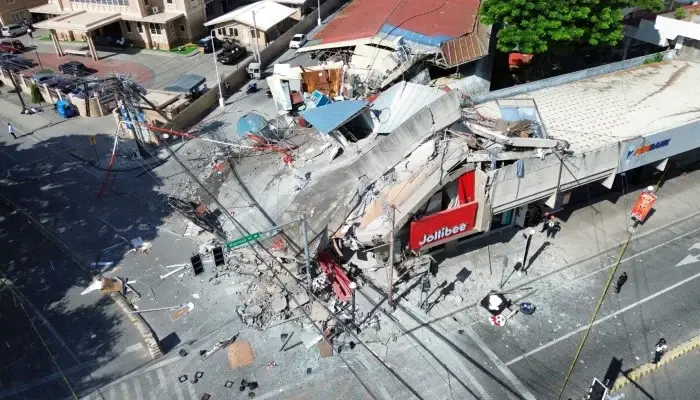
Rescue teams and residents assess damage after a powerful 7.8 magnitude earthquake struck Mindanao, Philippines, leaving at least 19 people dead and prompting tsunami alerts.
At Least 19 Confirmed Dead Following Massive Philippines Earthquake
A powerful 7.8 magnitude earthquake struck the southern Philippines on Monday, killing at least 19 people and causing widespread damage across the Mindanao region.
The earthquake, which occurred early in the morning, sent residents rushing out of homes, offices, and schools as buildings shook violently. The tremor was felt across several parts of the country and prompted authorities to issue tsunami warnings for coastal communities in the Philippines, Japan, and Indonesia.
Emergency responders have been deployed to the affected areas as rescue operations continue and officials assess the full extent of the destruction.
Communities Left Shaken After Powerful Quake
Residents described scenes of panic as the ground shook for several seconds. In some areas, roads cracked, buildings sustained structural damage, and power outages were reported.
Authorities confirmed that at least 19 people have died, while many others suffered injuries. The number of casualties could increase as search and rescue teams continue combing through damaged structures.
Local officials have urged residents to remain cautious and avoid entering buildings that may have been weakened by the earthquake.
Tsunami Warnings Issued Across the Region
Following the earthquake, tsunami alerts were issued for several countries bordering the Pacific Ocean.
Officials warned coastal residents to move to higher ground as a precaution while experts monitored sea-level activity. Small tsunami waves were later recorded in parts of the Philippines, Indonesia, and Japan.
Although authorities have since indicated that the immediate tsunami threat has largely diminished, residents have been advised to stay alert and follow official safety instructions.
Fear of Strong Aftershocks Remains
Seismologists have warned that significant aftershocks are likely in the coming days.
Emergency management agencies have advised people to stay away from damaged buildings and remain prepared for additional tremors. Temporary evacuation centers have been opened to accommodate families forced to leave their homes.
The Philippine government is coordinating relief efforts to provide food, medical supplies, and shelter to those affected by the disaster.
Why the Philippines Experiences Frequent Earthquakes
The Philippines is located along the Pacific Ring of Fire, one of the world’s most active seismic zones. The region is known for frequent earthquakes and volcanic activity due to the movement of tectonic plates beneath the Earth’s surface.
Because of its location, the country regularly experiences seismic events ranging from minor tremors to major earthquakes capable of causing significant damage.
Rescue and Recovery Efforts Underway
Rescue workers, military personnel, and emergency volunteers are continuing operations in the affected regions. Their priority remains locating survivors, assisting injured residents, and restoring critical services such as electricity, communication networks, and transportation.
International organizations and neighboring countries have also expressed support for the Philippines as recovery efforts begin.
Officials are urging residents to stay informed through government advisories and avoid spreading unverified information on social media during the ongoing emergency.
A Nation on Alert
As communities across Mindanao begin assessing the damage left behind by the powerful earthquake, concerns remain over possible aftershocks and the long road to recovery.
For many families, the focus now shifts from survival to rebuilding their homes and lives. Authorities continue to monitor the situation closely and have pledged ongoing support for those affected by one of the strongest earthquakes to strike the Philippines in recent years.
Frequently Asked Questions
How strong was the earthquake?
The earthquake measured 7.8 in magnitude, making it one of the strongest earthquakes to hit the Philippines in recent years.
Where did the earthquake occur?
The earthquake struck near the Mindanao region in southern Philippines.
Was a tsunami triggered?
Yes. Tsunami warnings were issued across parts of the Philippines, Japan, and Indonesia, although the threat later eased.
How many people have died?
Current reports indicate that at least 19 people have died, with authorities continuing rescue and assessment operations.
Are aftershocks expected?
Yes. Experts warn that aftershocks could continue for days or even weeks following the main earthquake.